
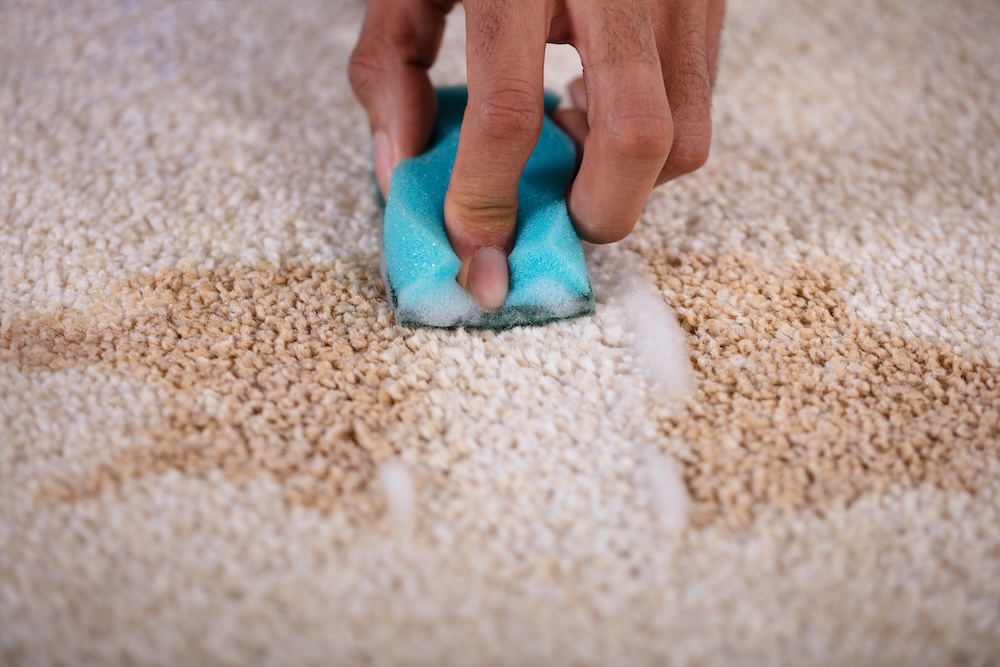
Carpet Stain Cleaning: When to DIY and When to Call a Professional
Every carpet stain has a moment. You’re eating dinner, the dog knocks over a glass of red wine, or your kid tracks mud across the living room. Suddenly you’re on your hands and knees wondering if you’re about to make it worse. Most of us have been there.
The good news is that plenty of stains can be handled at home with the right approach. The bad news is that the wrong approach, even with good intentions, can permanently set a stain, damage carpet fibers, or push the problem deeper into the backing where it becomes nearly impossible to fully remove. Knowing the difference between a DIY stain and a call-a-professional stain can save you a lot of frustration and money in the long run.
Here’s how to think about it:
The Golden Rules of DIY Carpet Stain Cleaning
Before getting into specific stain types, there are a few rules that apply every single time, regardless of what spilled.
Blot, never scrub. Scrubbing feels productive, but it spreads the stain outward and forces it deeper into the fiber. Always blot from the outside edge of the stain inward, using a clean white cloth or paper towel. Work your way toward the center.
Act fast. The longer a stain sits, the more it bonds to carpet fibers. Fresh stains are significantly easier to remove than dried or set ones. If something spills, deal with it immediately, even if that just means blotting up as much liquid as possible while you figure out the rest.
Use cold water for most stains. Hot water can set protein-based stains like blood, egg, and dairy by essentially cooking them into the fiber. When in doubt, start with cold water.
Test any cleaning solution first. Before applying anything to a visible area, test it on a hidden spot inside a closet or under a piece of furniture. Some solutions can bleach or discolor certain carpet types, and you’d rather find that out somewhere no one can see.
Use distilled water when possible. This is especially important in Utah. Salt Lake City’s tap water is notoriously hard, meaning it’s high in dissolved minerals. When hard water dries in carpet fibers, it leaves behind a residue that attracts more dirt and can make a cleaned spot look worse over time. Distilled water eliminates that variable entirely.
Stains You Can Usually Handle at Home
These are the stains where a prompt, careful DIY response typically gets the job done.
Water-based spills like juice, soda, coffee, tea, and beer. Blot up as much liquid as possible first. Then mix one tablespoon of dish soap with two cups of cold water and apply it sparingly with a clean cloth, blotting as you go. Follow up with plain cold water to rinse, then blot dry. For coffee or tea, a small amount of white vinegar mixed with water can help lift the tannins.
Mud. Counterintuitively, the best thing to do with mud is let it dry completely first. Trying to clean wet mud just spreads it. Once it’s dry, vacuum up as much as possible, then treat the remaining stain with dish soap and water.
Candle wax. Let it harden fully, then use a butter knife or credit card to gently scrape off as much as you can. Place a paper bag or brown paper over the remaining wax and run a warm iron over it. The wax will transfer to the paper. Repeat with fresh paper until it’s gone.
Grease or oil. Sprinkle baking soda or cornstarch over the stain and let it sit for 15 minutes to absorb the oil, then vacuum it up. Follow with a small amount of dish soap (dish soap is designed to cut grease) diluted in water, blotting carefully.
Kool-Aid or fruit punch. These bright stains look alarming but respond well to a mixture of dish soap, white vinegar, and warm water. Blot patiently and don’t oversaturate the carpet.
Stains That Usually Need a Professional
Some stains are beyond what home treatment can reliably fix, and attempting them without professional equipment can make the situation worse, not better.
Red wine. Fresh red wine can sometimes be addressed with club soda or a commercial wine stain remover, but dried red wine is a different story. The tannins and pigments bond deeply to carpet fibers, and improper treatment can spread or permanently set the stain. If it’s been more than an hour or you’ve already tried cleaning it without success, it’s time to call in help.
Pet urine, especially repeated accidents in the same spot. This one is tricky because the problem isn’t just the surface stain. Urine soaks through carpet into the backing and the pad beneath. As it dries and bacteria break it down, it produces that unmistakable ammonia odor that gets worse in warm weather. Over-the-counter enzyme cleaners can help with fresh accidents, but repeated accidents in the same area, or any accident that has dried and been reactivated, almost always requires professional extraction to fully eliminate both the stain and the odor source. Our premier carpet cleaning service is specifically equipped to handle urine contamination that goes beyond the surface.
Bleach or chemical spills. If bleach or a harsh chemical has contacted your carpet, the damage may be permanent, but a professional can assess whether color restoration or re-dyeing is possible. Don’t try to neutralize these on your own without knowing exactly what you’re dealing with.
Set-in stains of any kind. If a stain has been sitting for more than 24 hours, has already been scrubbed, or has been treated multiple times without success, DIY solutions are unlikely to finish the job. At that point, the stain has had time to bond with the fiber, and professional equipment and chemistry are needed to break that bond.
Large area stains or stains near seams. Large spills that saturate a significant area of carpet, or that reach a seam, need professional attention to prevent issues like shrinkage, backing damage, or delamination as the carpet dries.
The Problem With Over-Treating a Stain
One thing worth understanding: more cleaning solution is not better. Over-applying product to a carpet stain is one of the most common DIY mistakes, and it creates two problems. First, excess soap residue left in the carpet attracts dirt like a magnet. The spot will look clean initially, then get dark and grimy again within a few weeks. Second, oversaturating the carpet pushes the stain down into the backing and pad, where it wicks back up to the surface as the carpet dries. This is called wicking, and it’s why some stains seem to reappear after you’ve cleaned them.
If you’re noticing stains that keep coming back no matter what you do, wicking is likely the culprit. It’s something our team addresses regularly with professional extraction equipment that pulls the stain out from the backing, not just the surface.
When to Stop DIYing and Make the Call
A simple way to think about it: if you’ve made two honest attempts at a stain with the right technique and it’s still visible, stop. Additional attempts without professional-grade equipment are unlikely to improve the situation and may make it harder for a professional to fix later. The same applies to any stain that involves urine, blood, or chemicals. Those are best left to people with the right tools and solutions from the start.
Cleanville has been handling carpet stain cleaning in Salt Lake City since 1995. If you’ve got a stain that’s gotten the better of you, or you just want a full professional clean to reset your carpets, contact us for a free estimate. We’re happy to take a look and tell you honestly what we can do.
And if you’re dealing with odors alongside your stains, especially pet-related ones, check out our upholstery cleaning service as well. Odors have a way of living in more places than just the carpet.
